KEY TAKEAWAYS:
- Archana Kalpathi’s childhood in a joint family of 12 people sharing one bathroom fostered a competitive spirit and a grounded perspective on business.
- The Archana Kalpathi career journey demonstrates that transitioning from IT to cinema required treating distribution like a data science using Excel sheets.
- To learn how to become a creative producer, she focused on being an organized “bridge” between directorial vision and logistical reality on massive sets.
- One major benefit of data-driven film distribution was the ability to optimize theater programming to ensure her family’s business reached number one.
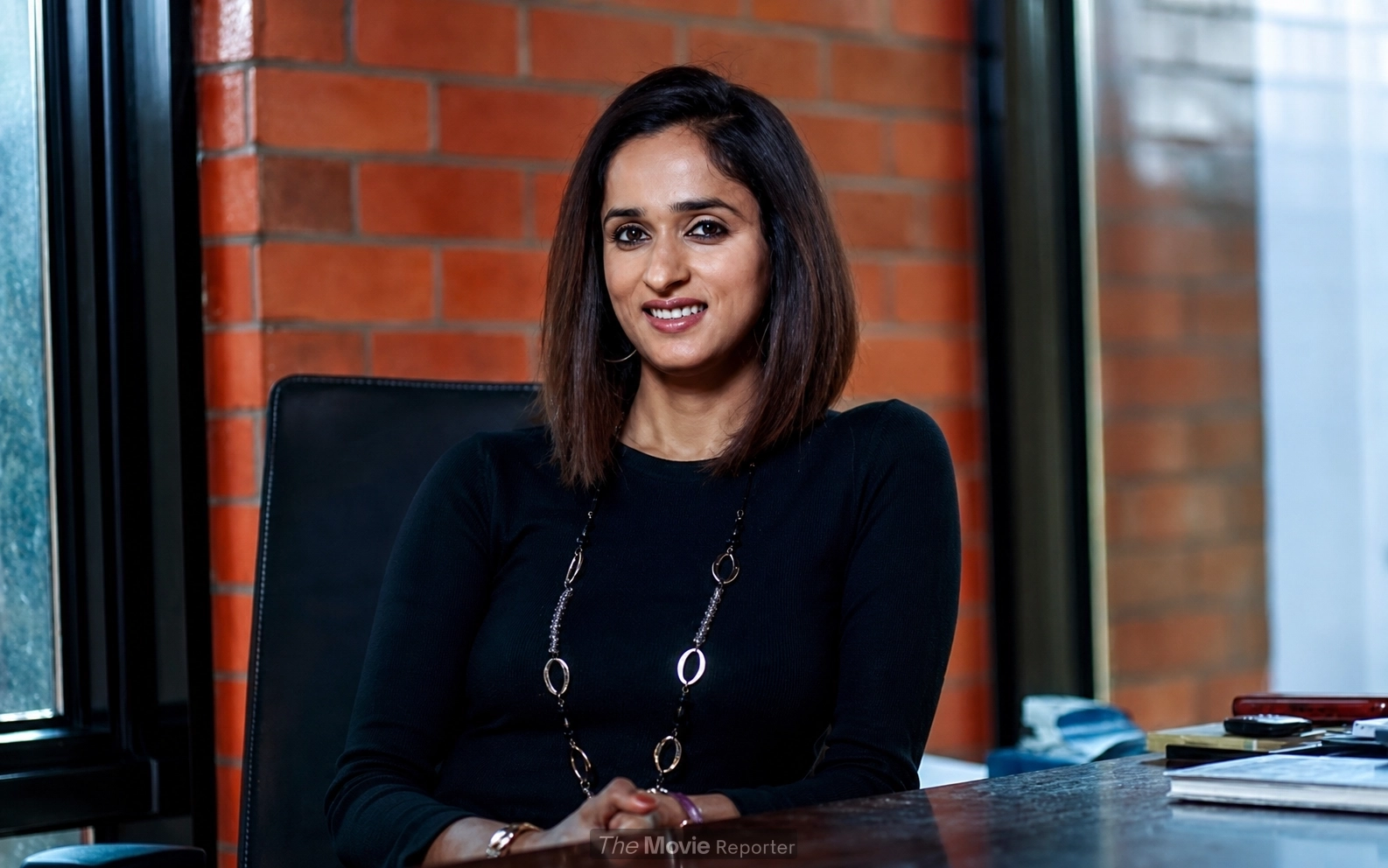
Imagine sharing a single bathroom with 12 people every morning in a modest three-bedroom house. This was the reality of the Archana Kalpathi career journey long before she managed multi-crore film sets. These humble beginnings didn’t just build character; they fueled a competitive fire that eventually transformed the Tamil film industry. Living in such close quarters taught her that success requires discipline, organization, and a relentless drive to be number one,.
Table of Contents
The Foundation of a Business Mindset
Her upbringing was far from the glitz of cinema. As the eldest child in a massive joint family, the Archana Kalpathi career journey began with a sense of responsibility toward her younger siblings. She recalls her father, a finance expert, making payments for classes and asking her to bundle 100-rupee notes at just eight years old. Her uncles, who were into engineering and coding, treated learning like a game. They’d have her soldering circuits or working in specific Unix editors, exposing her to technical logic early on. This unique childhood combined old-school family values with a cutting-edge IT environment.
Entrepreneurship was a daily lesson. She watched her family build an IT empire from nothing, eventually listing it on NASDAQ during the boom. Her father’s mantra was clear: you can jump as far as you want, provided you’re prepared to get back up if you fall. This environment fostered a “silent brain” personality where she’d often be the mastermind behind naughty ideas at school, letting others take the lead while she calculated the risks. It’s this blend of technical skill and business acumen that defined her early years before she ever stepped onto a movie set,,.
The Excel Sheet Revolution in Distribution
Here is where it gets interesting: the Archana Kalpathi career journey didn’t start with creative scripts, but with raw data. When she returned from the US—where she was already earning in lakhs—she entered a family business that had moved from IT into cinema. Her first major lesson came from a 25-lakh MG (Minimum Guarantee) loss on an early film. Instead of retreating, she leaned into her strength: numbers. She began tracking every single ticket, theater, and collection figure on an Excel sheet that she still maintains today.
One of the primary benefits of data-driven film distribution was the ability to outmaneuver competitors through sheer logic. She’d analyze day-wise collections and ruthlessly shuffle programming. If a film wasn’t performing, she’d move it to a smaller screen or change the show timings to maximize revenue. Theater owners sometimes called her merciless, but she was focused on survival and meeting rent. This data-first approach allowed the family business to evolve from MG deals to advanced theater terms, eventually securing the same multiplex sharing terms as the biggest industry players. Have you ever considered that a hit movie’s success might depend more on a spreadsheet than a screenplay,?
Transitioning to the Creative Producer Role
Is it possible to bridge the gap between a director’s wild vision and a financier’s strict budget? The Archana Kalpathi career journey answered this when she worked on Bigil. Originally, her interaction with the film industry was limited to branding and distribution logistics. However, the scale of Bigil required something new. It was actually the actor Vijay who suggested she step in as a “bridge” because of her highly organized nature. Director Atlee agreed, and he was the one who actually coined the term “creative producer” for her role.
If you want to know how to become a creative producer, you have to look at the specific responsibilities she shouldered:
- Breaking down the script into day-wise and schedule-wise components.
- Building massive production teams to handle locations and logistics.
- Managing the needs of multiple football teams and cast members from various states.
- Collaborating with directors to ensure the creative process stays within the financial framework.
- Learning to budget under the strict guidance of a finance-focused father who wouldn’t give her a raise unless she proved a return on investment,.
The Massive Scale of Big-Budget Productions
What does it feel like to spend 1.5 crore rupees in a single day? Within the Archana Kalpathi career journey, this became a standard operating procedure. The creative producer role in big-budget films is often a test of endurance. On the sets of Bigil, the work was tedious and constant. Director Atlee would finish a shoot, go straight to the music studio, and then sleep for only two hours in a caravan before starting again. Archana was right there with him, often receiving calls at 4:00 AM to discuss ticket logistics or production issues.
Her life became a whirlwind of managing costumes, stadium sets, and thousands of people. For example, the climax of a recent project involved shooting with 3,000 people for two months, a massive leap from earlier projects that only required ten days of match footage. This scale is overwhelming, but she viewed it as an opportunity to work with the brightest minds in the industry. She transitioned from being a “messenger face” for her family brand to a hands-on leader who understood every department, from production to post-production,.
Navigating Modern Industry Pressures
The Archana Kalpathi career journey currently faces a landscape in total flux. The industry is moving through a difficult period where the old rules of “guaranteed openings” no longer apply to everyone. Before the rise of OTT platforms, a hero’s opening was the only thing a producer could bet on. Now, satellite values have crashed to nearly zero, and OTT platforms have become more selective as their market positions have stabilized. This means producers can no longer rely on pre-release sales to cover massive, uncalculated budgets.
Successfully managing high-stress film production challenges today requires a return to storytelling. She often advises new producers to bet on the story rather than just the star. In her own life, she manages the stress by leaning on a supportive family. Her husband, Ashok, comes from a high-profile finance and private equity background, making him the perfect sounding board for high-stakes decisions. He reminds her never to think she is “at the top,” because the moment you believe you’ve peaked, the only next step is down. Sound familiar? It’s that same grounded, competitive spirit from her childhood home that keeps her moving forward in a volatile market,,,.
Expert Perspectives
- On the Death of Satellite Value: The industry has seen satellite rights drop from major revenue earners to nearly negligible amounts as OTT platforms took over the secondary market.
- The Global Competition: Modern audiences no longer compare a Tamil film only to other local releases; they compare it to Malayalam, Hindi, and international content because of the accessibility provided by OTT.
- The Merit-Based Workflow: Even within a family business, places must be earned; for instance, Archana’s sister does not fly in the same category as her until she earns that specific professional standing.
- Story as the Ultimate Hero: Despite the scale of big stars, the most successful recent films like Love Today succeeded because the script was prioritized over established faces,.
- Price Correction is Essential: The current flux in the industry is forcing a necessary price correction because signing massive budgets without understanding the lost satellite and shifting OTT revenue is no longer viable.
What This Means for You
The Archana Kalpathi career journey proves that technical discipline and data are just as vital to cinema as creative flair. By treating film distribution like a science and production like a high-stakes engineering project, she has carved out a unique space in a male-dominated industry. Her success stems from a refusal to accept mediocre effort and a constant drive to stay relevant by listening to younger generations. As the industry continues to evolve through the OTT era, her story serves as a blueprint for balancing traditional family values with modern, data-driven business strategies. The future of film belongs to those who can organize the chaos of creativity into a sustainable, impactful business model.
Source: Because of Atlee & Vijay, I earned my place on the film. Vijay was so encouraging – Archana Kalpathi
Who is Archana Kalpathi and how did she become a “creative producer”?
Archana Kalpathi is the CEO of AGS Entertainment and a prominent figure in the Tamil film industry who transitioned from a background in IT and finance. The specific title of “creative producer” was coined for her by director Atlee during the production of the film Bigil. Actor Vijay suggested she take on this role because the massive scale of the project required an organized “bridge” to manage the technical logistics, budgeting, and schedule breakdowns while the director focused on the creative vision.
How did Archana Kalpathi use data to change her family’s film distribution business?
After an early financial loss on a film, Kalpathi applied her analytical background by tracking every movie’s performance using Excel sheets, which she still maintains today. By analyzing day-wise collections and theater-specific data, she was able to strategically shuffle programming—moving films between screens and showtimes to maximize revenue. This data-driven approach allowed their business to evolve from Minimum Guarantee (MG) deals to more lucrative sharing and multiplex terms, eventually matching the terms of major players like Sathyam Cinemas.
What are Archana Kalpathi’s insights on how OTT platforms have changed the film industry?
Kalpathi notes that the industry is currently in a state of flux because the traditional “guaranteed opening” for stars has diminished, and satellite values have crashed to nearly negligible amounts. She explains that audiences now have global exposure through OTT and compare local films to Malayalam, Hindi, and international content. Consequently, she advises that modern producers must bet on the story rather than just the star and be mindful that pre-release sales (like satellite and OTT rights) are no longer as viable for covering massive, uncalculated budgets.